Week 5 Legislative Session Recap 2026
February 9 - 13, 2026
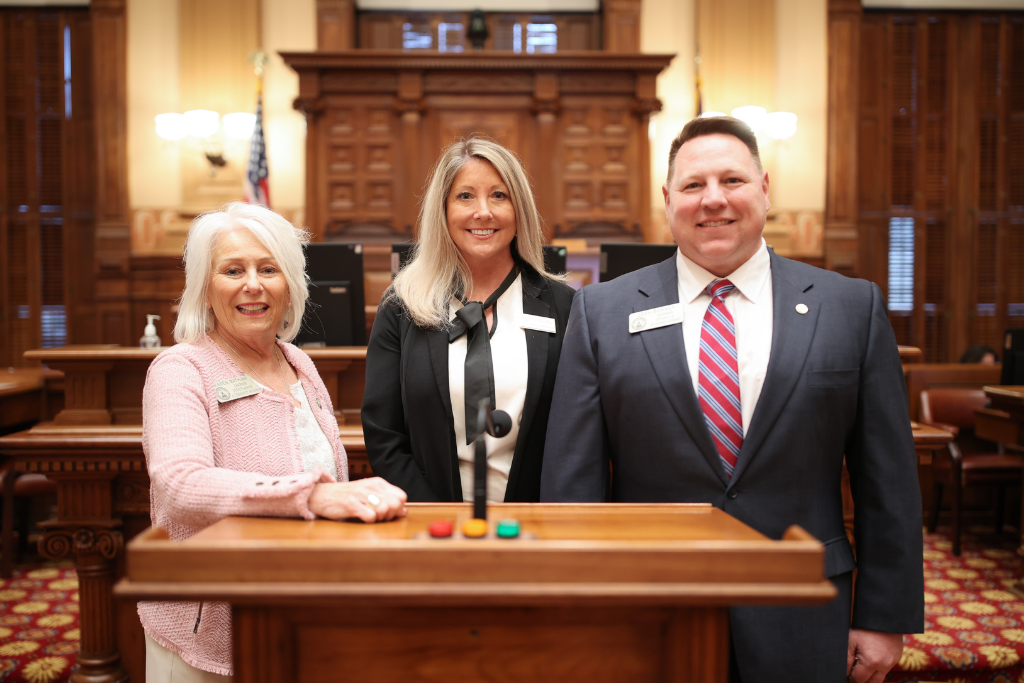
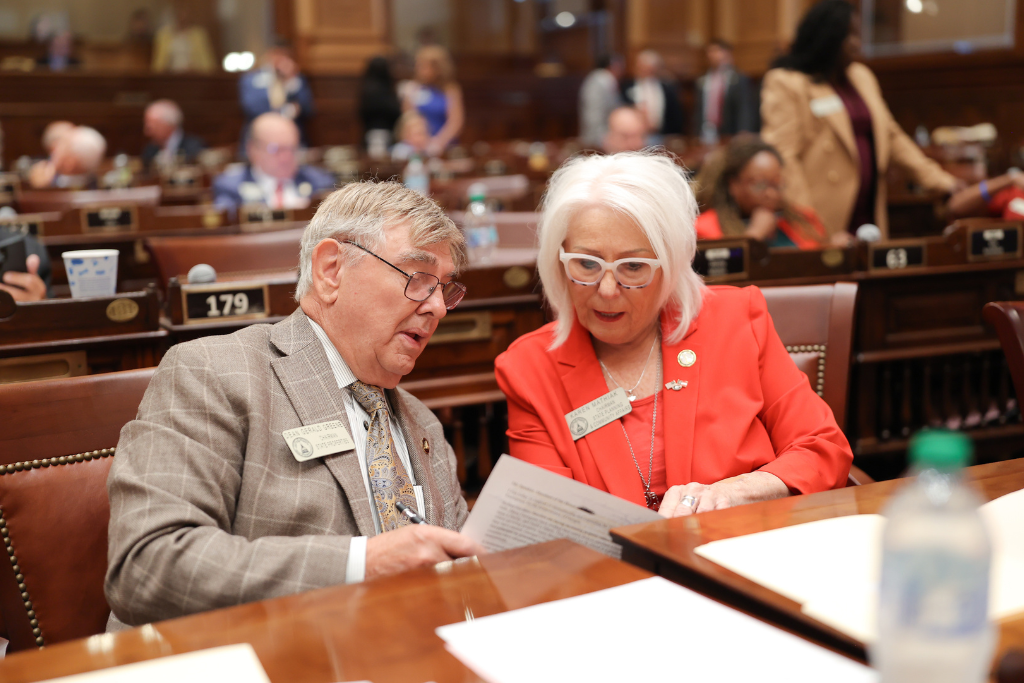
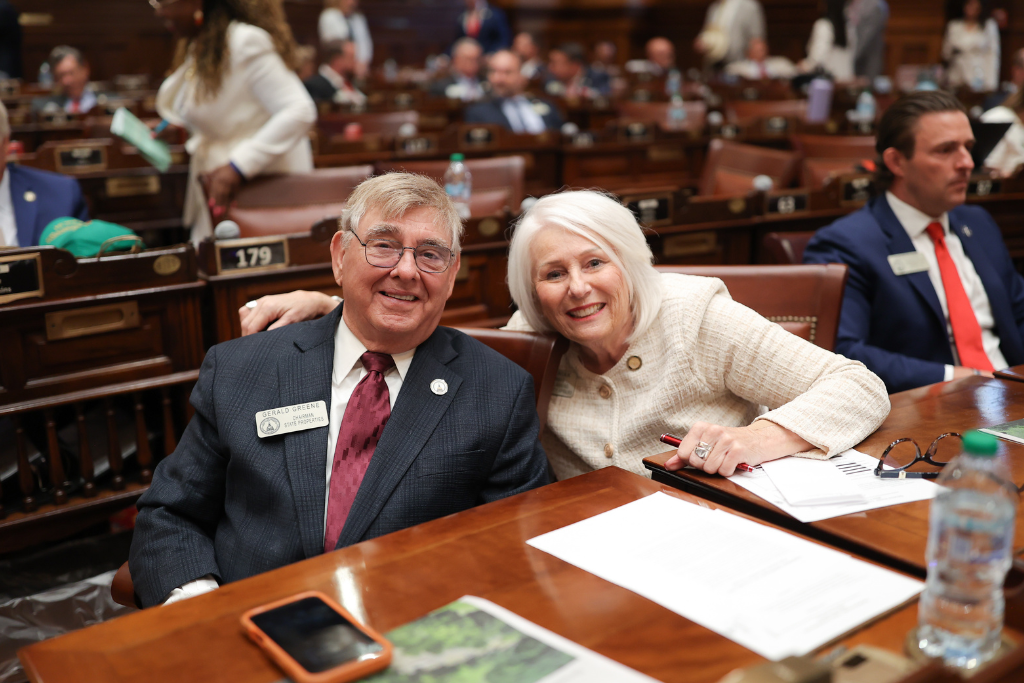
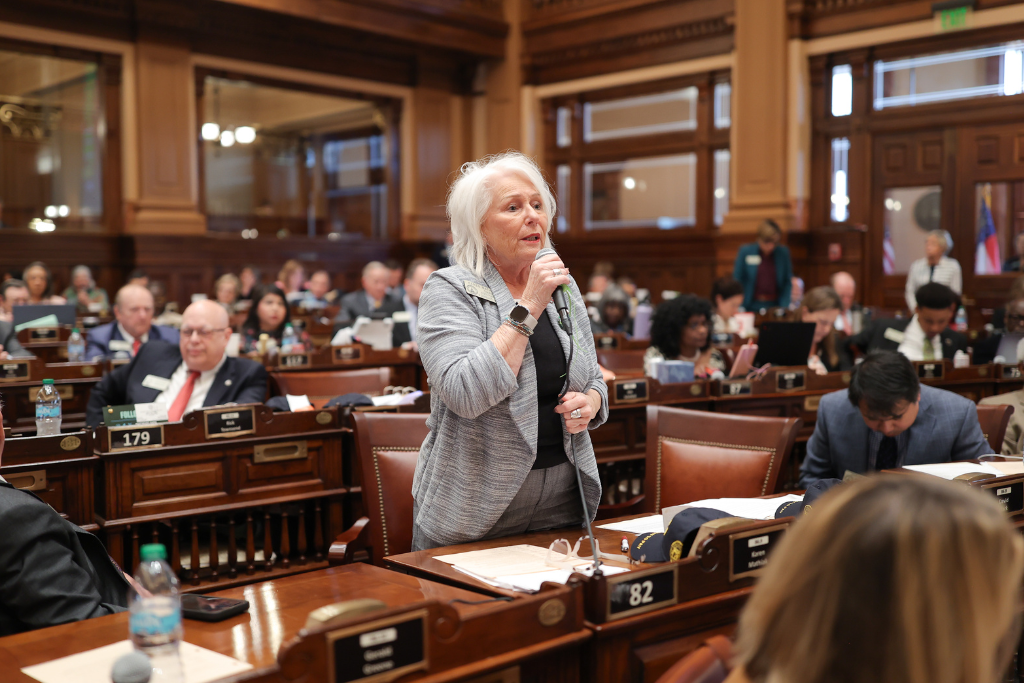
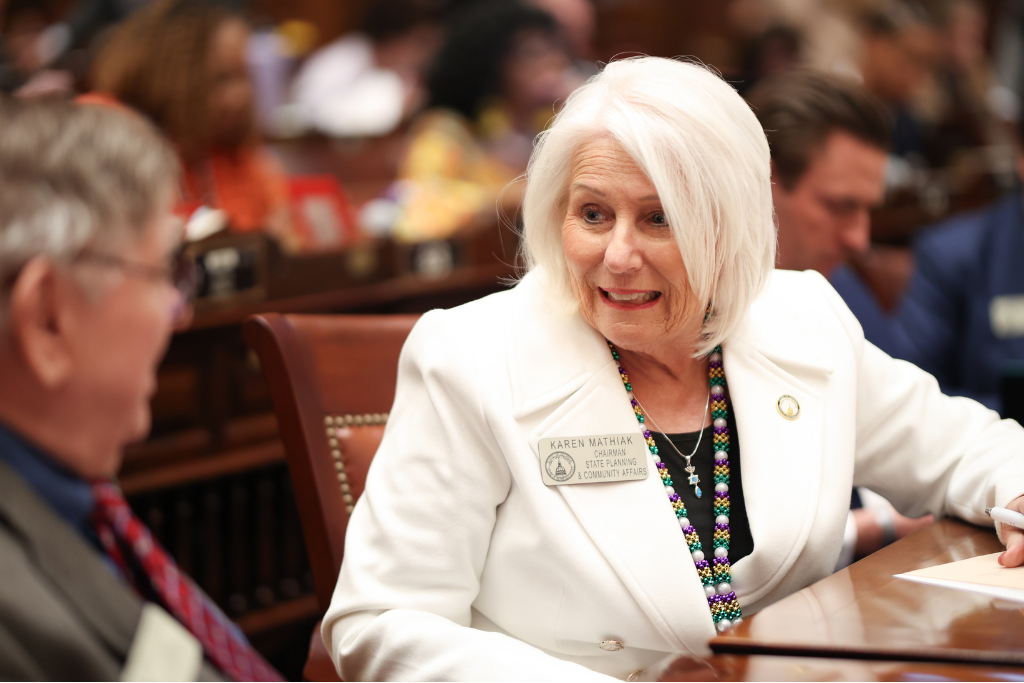
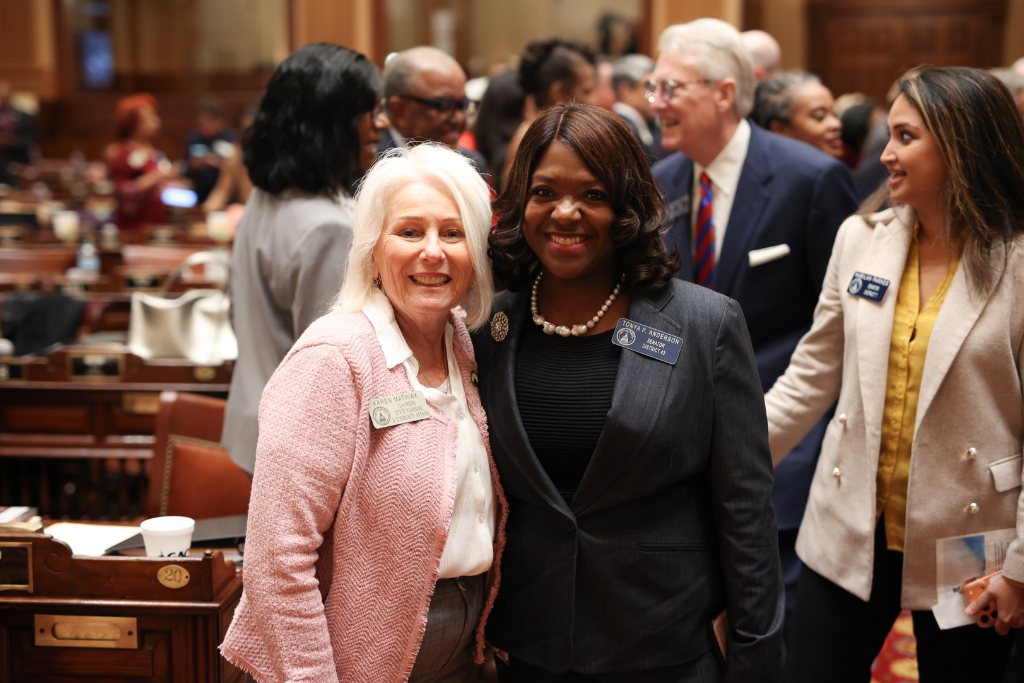
My colleagues and I returned to the Georgia State Capitol on Monday, February 9, to kick off the fifth week of the 2026 legislative session. This week, we were in session for four legislative days, and the House Rules Committee remained busy throughout the week, placing several bills on the Rules Calendar each day for consideration on the House floor. As a result, we were highly productive, passing and adopting a total of 23 bills and resolutions. As the legislative session continues, our days on the House floor will get busier and longer as we work toward the critical deadline of Crossover Day, Legislative Day 28, which marks the final opportunity for bills and resolutions to pass out of their originating chamber and remain eligible to be signed into law during this legislative session.
This week, the House passed the following legislation:
- House Bill 657: Certified Peer Specialists and Recovery Community Organizations
- Formally defines certified peer specialists in state law as individuals with lived experience who are trained to support those receiving mental health or substance use recovery services.
- Requires certification through the Department of Behavioral Health and Developmental Disabilities (DBHDD).
- Establishes standards for recovery community organizations (RCOs), including nonprofit status, recovery-focused missions and majority-recovery governing boards.
- Requires RCOs to support all pathways to recovery, including medication-assisted treatment and harm reduction strategies.
- Standardizes peer support services statewide.
- Senate Bill 162: Medical Licensing and Credentialing Modernization
- Requires the Georgia Composite Medical Board to implement an automated licensing data management system.
- Creates a single statewide verification process for physicians, physician assistants and anesthesiologist assistants.
- Eliminates duplicative credentialing requirements across healthcare facilities.
- Aims to reduce administrative backlogs and expand access to care, particularly in rural Georgia.
- Would be fully operational by January 1, 2027.
- House Bill 383: High School Name, Image and Likeness (NIL) Protections
- Regulates NIL compensation for Georgia high school student athletes.
- Provides automatic expiration of NIL contracts upon graduation or withdrawal.
- Allows student athletes to obtain professional representation.
- Requires schools to provide written notice regarding potential impacts on collegiate eligibility.
- Prohibits recruitment-based NIL incentives, use of school logos and endorsement of restricted or adult products.
- House Bill 907: Completion Special Schools Act Updates
- Revises procedures for Georgia’s completion special schools.
- Requires updated program descriptions to local school systems twice annually.
- Requires resident school systems to share completion school information with students and parents.
- Allows outreach to students who withdraw by permitting limited contact information sharing.
- Permits parents or guardians to directly enroll students in credit recovery and intervention programs.
- Establishes transition procedures when new completion special schools open.
- Aligns with funding in House Bill 973 (AFY 2026 budget), including $1.7 million for a new completion special school in the Columbus region.
- Senate Bill 195: Expanded Access to HIV Prevention Medications
- Authorizes pharmacists to dispense PrEP and PEP under specified conditions.
- Allows a 30-day supply, with up to 90 days after required training.
- Requires physician protocol agreements for long-acting injectable treatments.
- Mandates notification to a patient’s primary care provider and documentation of services.
- Establishes oversight safeguards and penalties for noncompliance.
- House Bill 903: Administrative Procedures Act Clarification
- Clarifies that all executive branch agencies must comply with the Georgia Administrative Procedures Act when adopting certain rules.
- Subjects boards, commissioners, departments and public authorities to consistent public notice and comment requirements.
- Strengthens transparency and legislative oversight in rulemaking.
- House Bill 117: Imported Shrimp Disclosure Requirements
- Requires food service establishments to disclose when imported foreign shrimp is served.
- Supports Georgia’s coastal economy and seafood industry.
- House Bill 414: State Ethics Commission Authority Expansion
- Authorizes the State Ethics Commission to request documentation from individuals located outside Georgia.
- Allows the commission to petition a superior court if an individual refuses to comply.
- Additional Measures Passed:
- House Bill 57: Adds step-grandparent and step-grandchild to prohibited sexual relationship statutes.
- House Bill 632: Revises disabled veterans’ occupation tax exemptions and updates blindness eligibility definitions.
- House Bill 676: Imposes a $1,500 fine per frivolous mechanics lien filed.
- House Bill 944: Updates the definition of “present regulations” for motor vehicles to January 1, 2026.
- House Bill 948: Requires foreclosure notices to inform mortgagors of surplus funds claim rights and timelines.
- House Bill 957: Defines “miniature on-road vehicle” and outlines regulatory and emissions standards.
- House Bill 983: Revises prescribed burning definitions and allows additional local notice requirements without restricting the practice.
- House Bill 986: Updates safety and speed standards for personal delivery devices.
- House Bill 998: Extends rate-of-return regulation option for Tier 2 local exchange companies until August 1, 2026.
- House Bill 1015: Revises funding thresholds for the Georgia Self-Insurers Guaranty Trust Fund.
- House Bill 1215: Increases superior court judges in the Middle Judicial Circuit from two to three, effective January 1, 2027.
- House Resolution 251: Proposes a constitutional amendment to require nonpartisan elections for probate judges.
- House Resolution 999: Urges recognition of America’s 250th anniversary of the Declaration of Independence on July 4, 2026.
- House Resolution 1050: Authorizes conveyance of certain state-owned properties in 11 counties.
- House Resolution 1051: Authorizes easements over state-owned properties in 22 Georgia counties and one Tennessee county.
On Tuesday, February 17, we will return to the Georgia State Capitol following the President’s Day holiday. In the coming weeks, the House’s work will be fast-paced and consequential as we approach our Crossover Day deadline. I will be sure to keep you updated with our progress in the coming weeks. Please do not hesitate to reach out to me regarding issues that are being considered under the Gold Dome, and I encourage you to stay connected with our work at the Capitol as we move through the remainder of the 2026 legislative session.
You may contact me by email at
karen.mathiak@house.ga.govor by phone at (404) 656-0213. I am grateful for the opportunity to serve as your state representative for the 2025–2026 legislative term.
Updates From Karen Mathiak